
What is the air catalyst AT254MB

PRODUCT INTRODUCTION
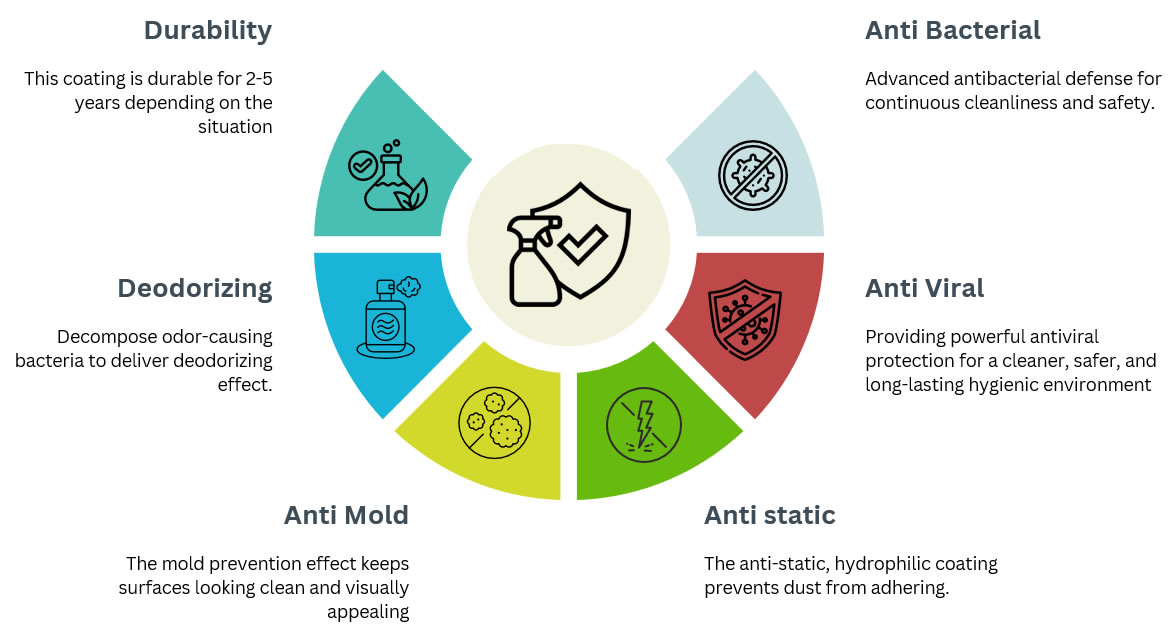
A cutting-edge, long-lasting disinfectant coating that provides continuous protection against harmful microbes, mold, and odors. With its durable formula, AT254 delivers effective hygiene for 2 to 5 years, ensuring sustained cleanliness with minimal maintenance.
Ideal for a variety of environments, including healthcare facilities, education sectors and hospitality, AT254 offers reliable, high-performance protection, creating safer and cleaner surfaces over time.
SPECIAL FEATURES
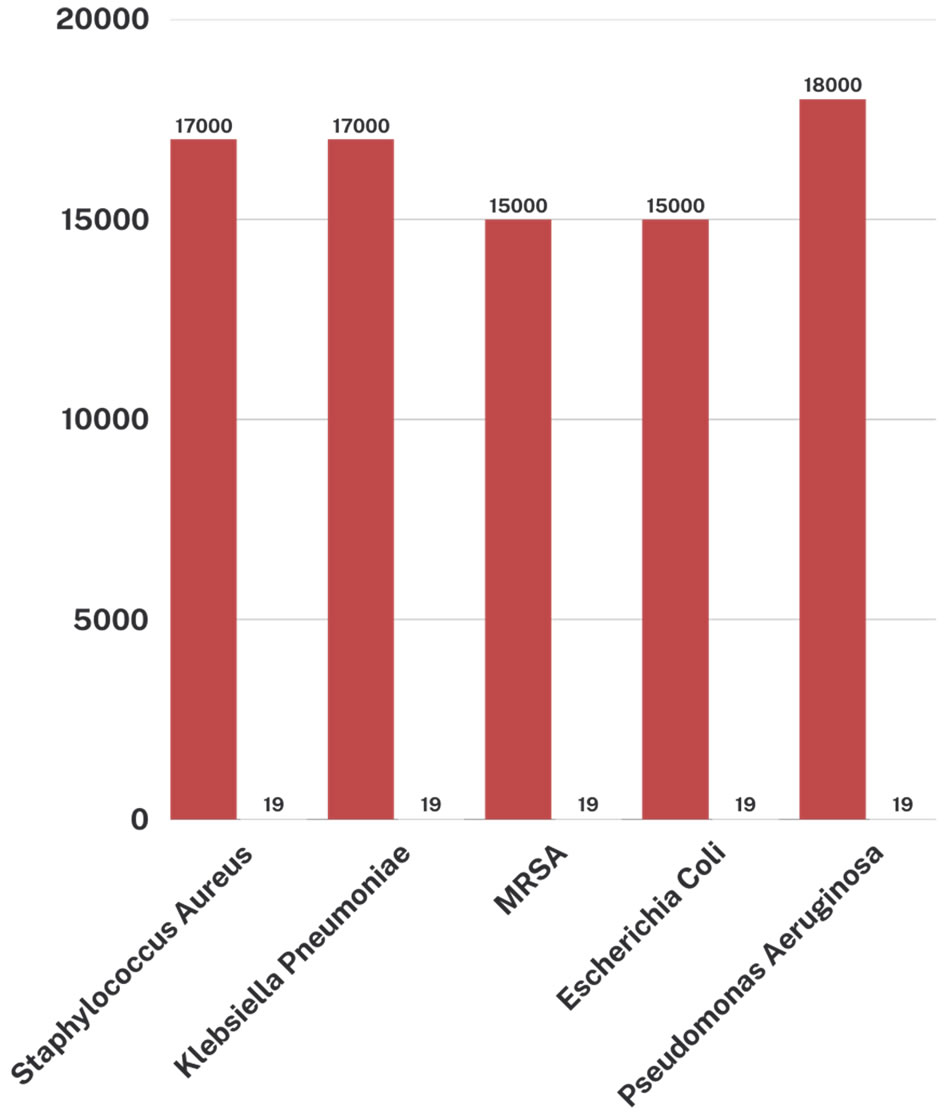
*Conducted by the Japan Spinners Inspecting Foundation (JSIF)
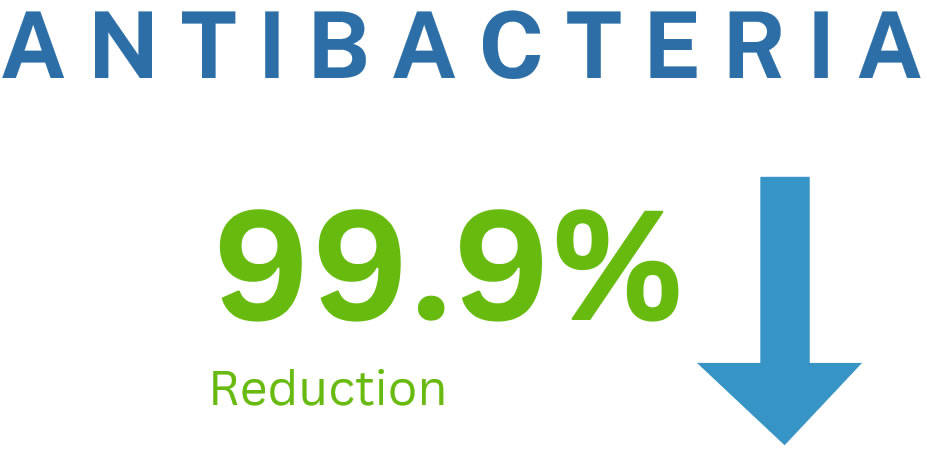
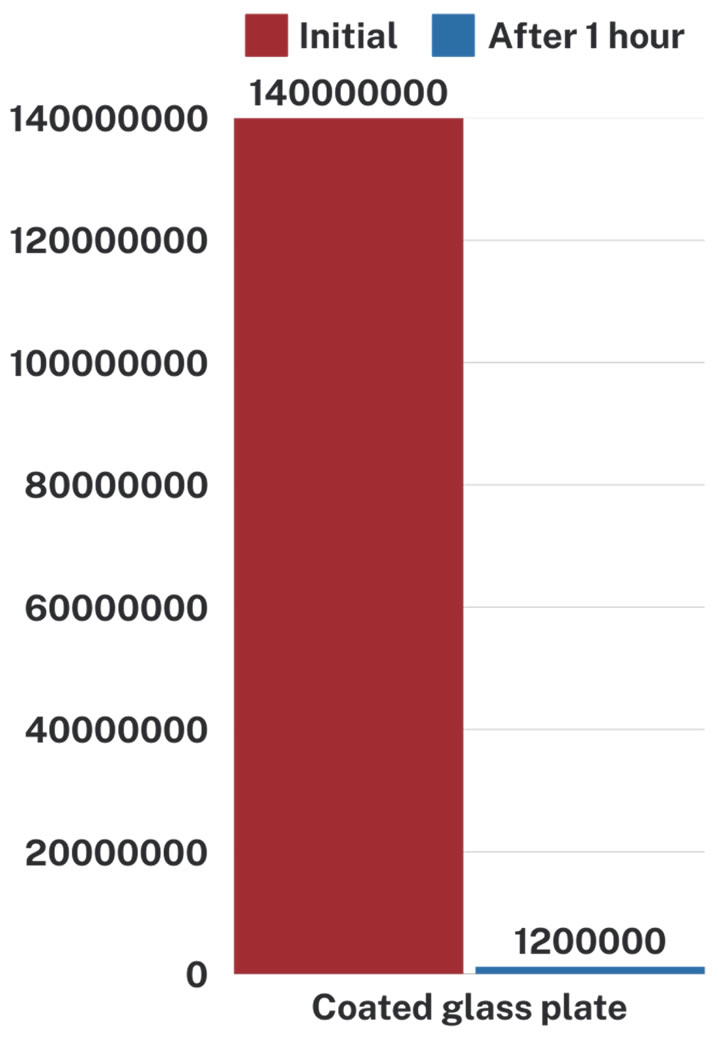
*Conducted by the Kitasato Research Center for Environmental Science
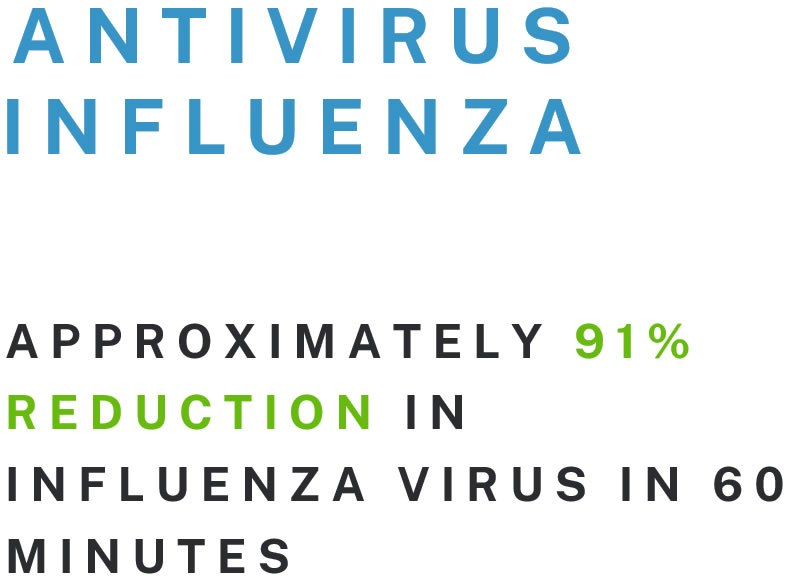
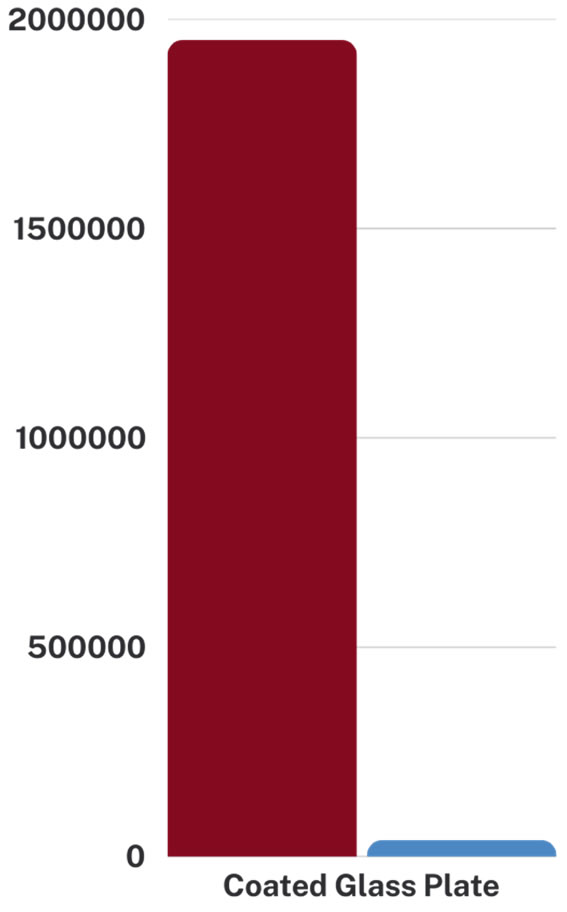
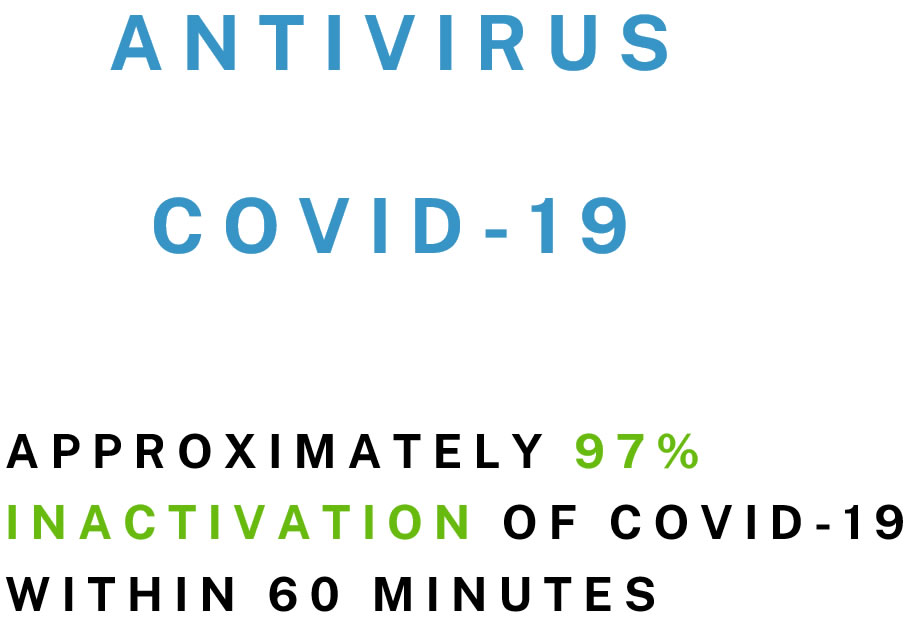
- *Conducted by Nara Medical Unniversity
DEODORIZING
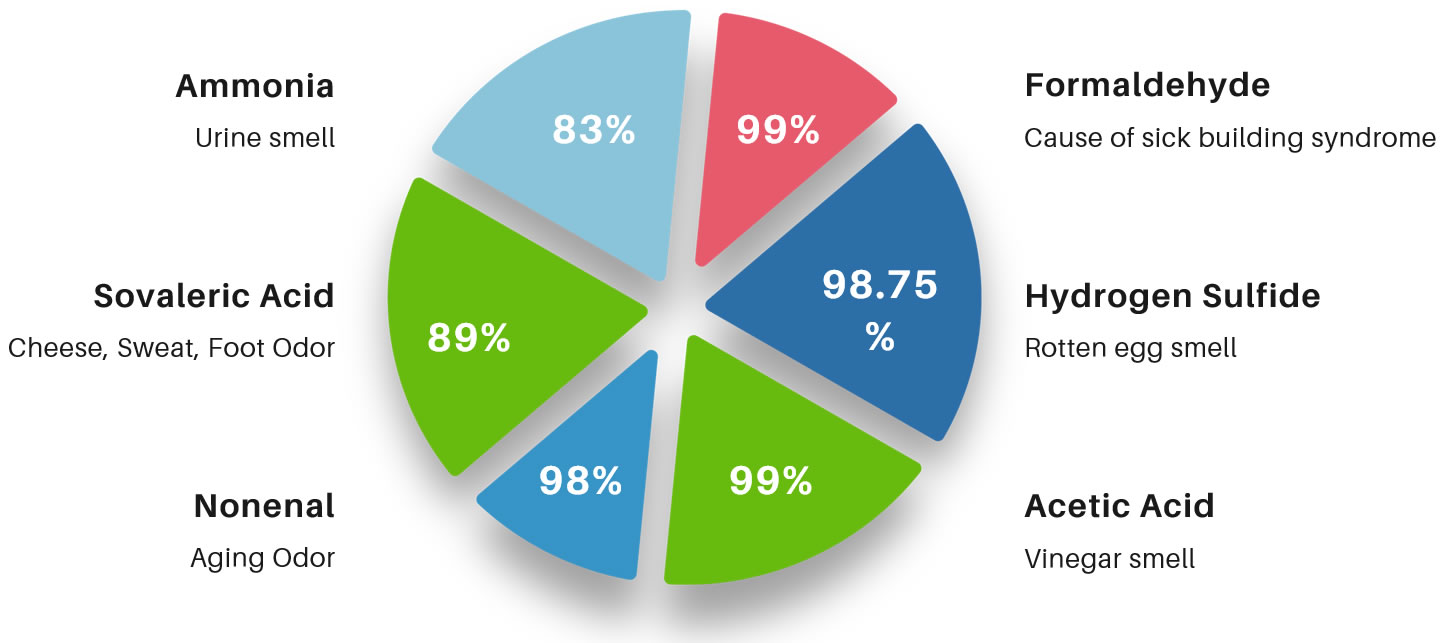
MOLD PREVENTION
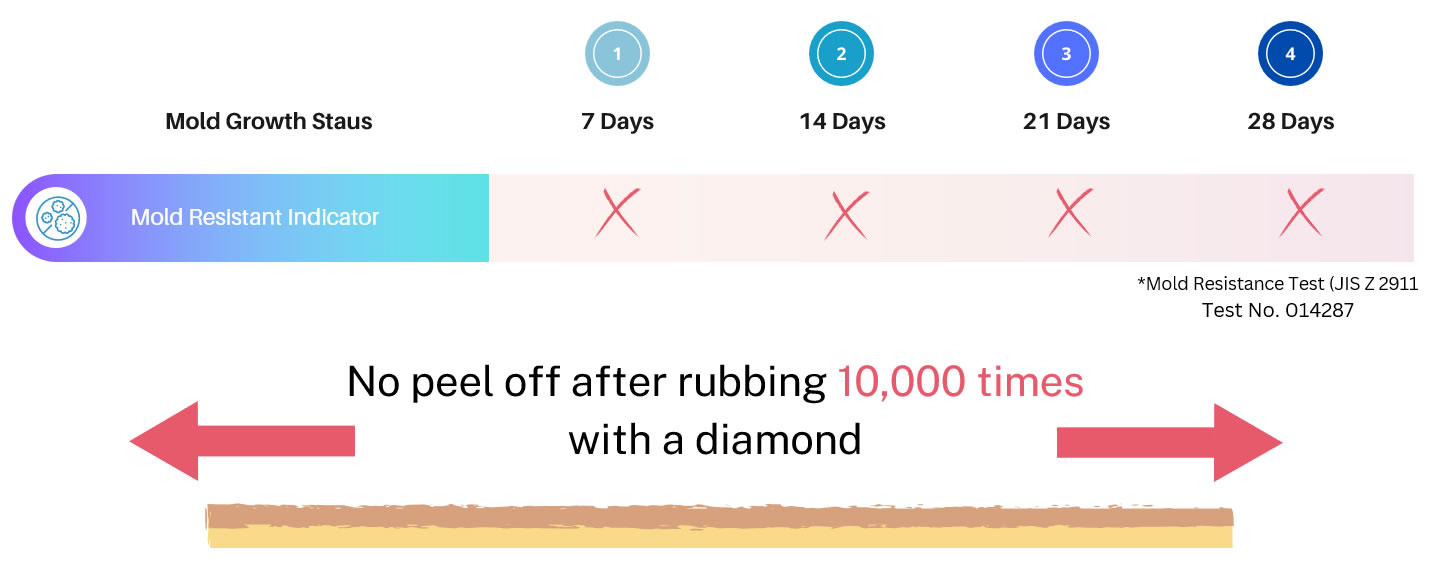
Mold Prevention and Scratch Resistant
Harmless
At 254 is safe and secure inorganic coating agent.
*Conducted by the Japan Food Research Laboratories(Test No: 106080)
| TEST ITEMS | DESCRIPTION | RESULT |
|---|---|---|
| Primary skin Irritation | Using Rabbits for skin Irritation Test | No Irritation |
| Eye Irritation Test | Using Rabbits for eye Irritation Test | No Irritation |
| Acute Oral Toxicity Test | Using Mice for Acute Oral Toxicity Test | LD50 Value over 2000 mg/kg |
| Mutagenicity Test | Conducted in Accordance with the Ministry of labor Japan Notification No. 77 | Negative for inducing mutation |
Projects
2008-2022

-
Public Transport
・1400 Trains
・232 subways
・716 Railways
・7820 Taxis
・921 Buses

-
Institutions
・2 Universities
・108 schools
・1000 cars for driving school

-
Medical
・13 hospitals
・76 Pharmacies
・1 medical Plant

-
Comercial
・19 Large commercial Buildings

-
Retail
・19 shops
・OVER 100 sconvenience Stores
TARGET LOCATIONS

- Residential and Commercial buildings

- Medical Facilities

- Public Transport
Air catalysis is a technology used to remove harmful substances and odors from the air.
It provides cleaner air by breaking down and oxidizing bad odors and harmful chemicals in the air.
Common air catalysts are divided into two main types: oxidation catalysts and photocatalysts.
- Oxidation catalyst: Oxidation catalysts promote the oxidation of harmful substances using oxygen (O2).
Typical oxidation catalysts include precious metals such as platinum, palladium, and rhodium.
These precious metal catalysts convert harmful substances such as nitric oxide (NOx) and volatile organic compounds (VOCs) into harmless substances such as carbon dioxide (CO2) and water (H2O). - Photocatalyst: Photocatalysts are specific substances (photocatalysts) that use the energy of light to decompose harmful substances.
The most commonly used photocatalyst is titanium dioxide (TiO2).
Photocatalysts are activated by exposure to ultraviolet light and decompose organic matter and microorganisms, turning them into harmless substances.
Air catalysts are used in a variety of applications, including industrial exhaust gas treatment and automotive exhaust gas purification systems, as well as for air purification in buildings and indoor spaces, which are expected to contribute to protecting the environment and improving people's health.
The air catalyst [AT254MB] developed by our company is highly effective against over 254 types of harmful substances, fungi, and viruses, and has the advantage of remaining effective for a long period of time (2 to 5 years).
Efficacy and effectiveness
1. Contaminants are adsorbed into inorganic porous media
In the inorganic porous layer, AT254MB reacts with water and oxidized pollutants in the air. This reaction generates active oxygen.
2. Oxidation-reduction reaction occurs
At the same time, the odor reacts with the active oxygen generated in step 1.
3. Breaks down harmful chemicals
In the inorganic porous layer, AT254MB reacts with water and oxidized pollutants in the air. This reaction generates active oxygen.
4. Regeneration and sustainability
A catalytic reaction is constantly occurring within the inorganic porous material with oxygen and water in the air.
After the coating hardens, it maintains its catalytic effect for 24 hours regardless of the environment without losing the texture of the applied surface.
5. Proven highly effective against 254 types of bacteria and viruses
Since it forms a thin film of less than 1μ on various materials, it can be applied to any location.
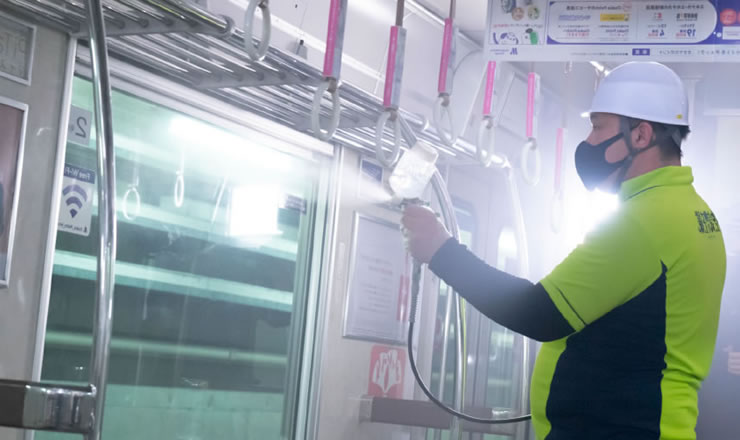
Due to its ease of application, long lifespan, and test results, it is used in public transportation, medical facilities, nursery schools, kindergartens, schools, halls, and other places where people gather.
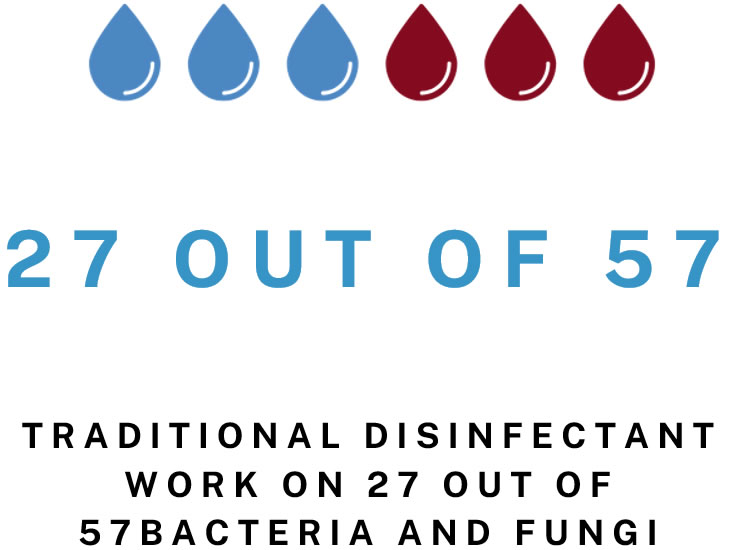
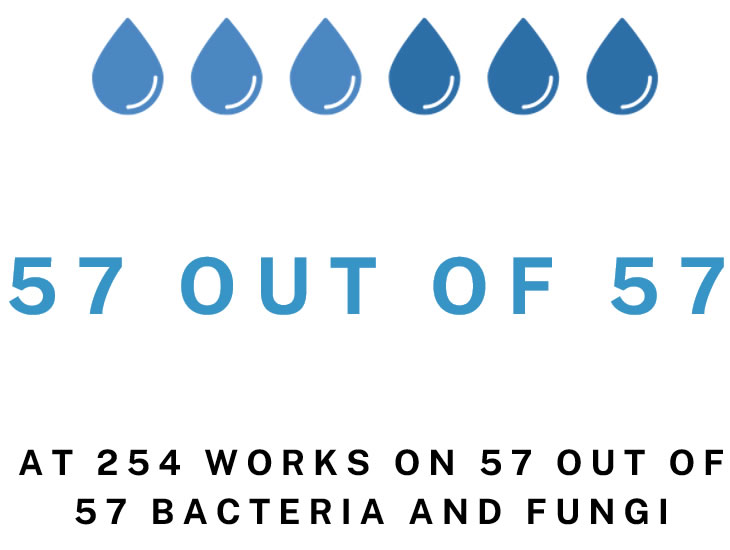
Tests were conducted using the inner mill method, which is stricter than the 16 bacteria specified in the domestic standard (JIS), and it was found to be effective against 57 bacteria that are frequently detected in general buildings, as certified by the International Bio Deterioration Symposium in Denver, USA.
The test results from the Department of Microbiology and Infectious Diseases, Faculty of Medicine, Nara Medical University,
a public university corporation, can be viewed here.
Other benefits
- Has a strong deodorizing effect.
- Because it is hydrophilic, it has a self-cleaning effect and is resistant to dirt.
- It has an antistatic effect, so it is less likely to get dirty.
- It is also effective against 254 types of bacteria, so you can expect a strong deodorizing effect. It is a porous material with a specific surface area of more than 300m2/g, and can adsorb many malodorous molecules.
- Because it is hydrophilic, it has a self-cleaning effect and is resistant to dirt.